

TL;DR: Wondering do gnats bite? The answer depends on the type, some gnats are harmless, while others bite and cause itchy irritation. This guide explains how to identify biting gnats, what their bites look like, and how to prevent and treat them.
Main points:
- Not all gnats bite—fungus gnats are harmless, but biting midges and black flies do bite humans
- Gnat bites look like small red bumps, often in clusters, and they usually itch
- Bites are caused by females needing blood for reproduction
- Most gnat bites last 1–3 days, though itching can linger longer for sensitive skin
- Prevention includes reducing moisture, using repellent, and wearing protective clothing outdoors
Gnats are tiny flying insects that often seem to appear out of nowhere, buzzing around your face, hovering near indoor plants, or lingering in outdoor spaces. Because they’re so small, many people assume they’re harmless. Still, one question comes up repeatedly: do gnats bite, or are they simply a nuisance?
The answer isn’t entirely straightforward. “Gnat” is a general term used to describe a variety of small flying insects, and their behavior differs depending on the species. Some gnats are completely harmless and never bite humans, while others can bite and may cause noticeable irritation.
Knowing the difference between biting and non-biting gnats is important. It not only helps you identify what you’re dealing with but also gives you a better idea of how to protect yourself and what to expect if you do get bitten.
Do Gnats Bite Humans?
So, do gnats bite humans? Yes, but only certain types of gnats do.
Many people encounter fungus gnats indoors, especially around houseplants. These gnats are attracted to moist soil and organic material, but they do not bite or sting humans. While they may be annoying, they pose no direct harm.
On the other hand, some species, such as biting midges (often called no-see-ums) and black flies, do bite. These insects feed on blood, and interestingly, only the females are responsible for biting. This is because they require protein from blood to develop their eggs.
This explains why gnats bite in the first place. It’s a biological need tied to reproduction. However, that doesn’t make the experience any less irritating for humans.
Compared to mosquitoes, gnat bites are typically smaller but can sometimes feel just as itchy or even more persistent. Because these insects are so tiny, you may not notice them when they bite, which can make the experience more confusing.
What Do Gnat Bites Look Like?
If you suspect you’ve been bitten, you might be asking: what do gnat bites look like?
In most cases, gnat bites appear as small, red bumps on the skin. They may resemble minor mosquito bites but are often smaller and sometimes appear in clusters. This clustering happens because gnats tend to gather in groups and may bite multiple times in the same area.
Common characteristics include:
- Small, raised red bumps
- Mild swelling around the bite
- Clusters or multiple bites close together
These bites usually occur on exposed areas of the body, such as the arms, legs, ankles, and neck. Since gnats are weak fliers, they often stay close to the ground, which is why bites around the ankles and lower legs are especially common.
A very common concern is: do gnat bites itch? Yes, they do. In fact, itching is one of the main symptoms people notice. The itchiness is caused by your body’s reaction to the saliva injected during the bite. For some individuals, the itching may be mild, while others may experience more intense irritation.
How Long Do Gnat Bites Last?
After being bitten, most people want to know how long gnat bites last.
In general, gnat bites are short-lived and not serious. However, the duration can vary depending on your skin sensitivity and how you treat the bite.
For most people:
- Itching lasts anywhere from a few hours to two days
- Redness and swelling typically fade within 1–3 days
- More sensitive individuals may notice symptoms lasting up to a week
Scratching the bites can make them worse and extend the healing time. It may also increase irritation or lead to minor skin damage. Applying soothing treatments like anti-itch creams or cold compresses can help reduce discomfort and speed up recovery.
While most reactions are mild, some people may experience stronger irritation. If symptoms seem unusually severe or persistent, it’s best to monitor the situation and take appropriate care.
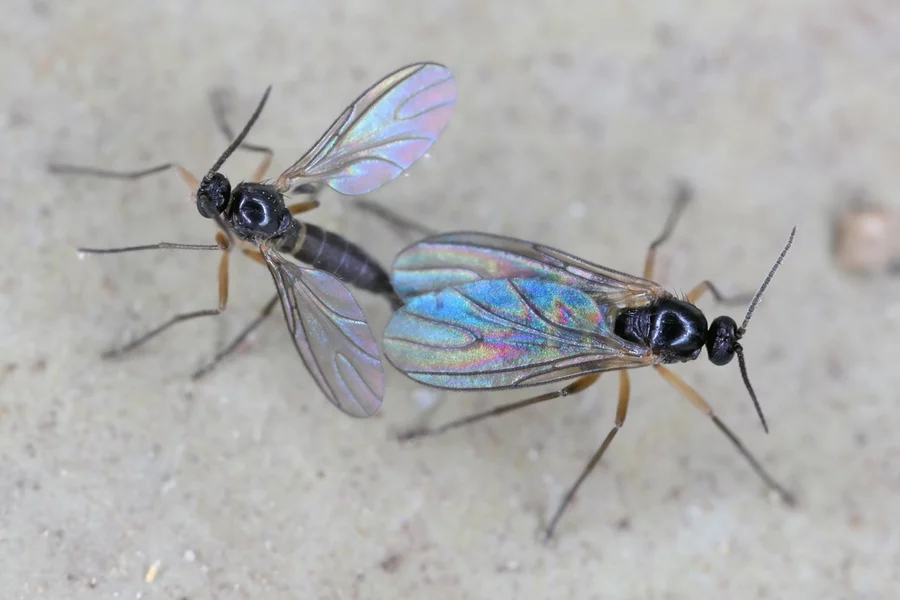
Why Are Gnats Around You?
Gnats are attracted to environments that provide moisture, warmth, and organic material. These conditions make certain areas more appealing to them, both indoors and outdoors.
Outdoors, biting gnats are commonly found near:
- Standing water, such as ponds or puddles
- Humid or shaded areas
- Dense vegetation
Indoors, non-biting gnats are usually associated with:
- Damp potting soil
- Overwatered plants
- Organic debris
Warm weather plays a big role in gnat activity. During humid seasons, their presence becomes more noticeable, especially in areas where moisture levels are higher.
Even if you’re not dealing with biting species, understanding why gnats are around can help you reduce how often you encounter them.
How to Prevent and Treat Gnat Bites
If you want to avoid the discomfort of bites, taking a few preventative steps can make a big difference. These are some simple steps to prevent the accumulation of gnats:
- Allow plant soil to dry slightly between watering
- Keep surfaces clean and free of moisture
- Dispose of organic waste regularly
If you are going outside, you can do a few things to help avoid bites:
- Use insect repellent when spending time outside
- Wear long sleeves and pants in areas where gnats are active
- Avoid peak activity times, especially in humid conditions
If you do get bitten, you can:
- Treat the area with hydrocortisone cream
- Apply a cold compress to reduce inflammation
These simple adjustments can reduce your chances of getting bitten and make your environment less appealing to gnats overall. However, you may need to find more long-term solutions if this is a recurring issue.
Final Thoughts: Do Gnats Bite or Not?
So, do gnats bite? The answer is that some species do, while others don’t.
While many gnats are harmless and simply annoying, certain types do bite humans and can cause itchy, irritating bumps. Knowing what gnat bites look like, understanding why gnats bite, and recognizing how long gnat bites last can help you respond with confidence.
Many customers contact Cardinal Environmental when they experience gnats in their home and we provide effective solutions to rid your home of these pests. If you want a gnat-free environment, schedule a free consultation today!