
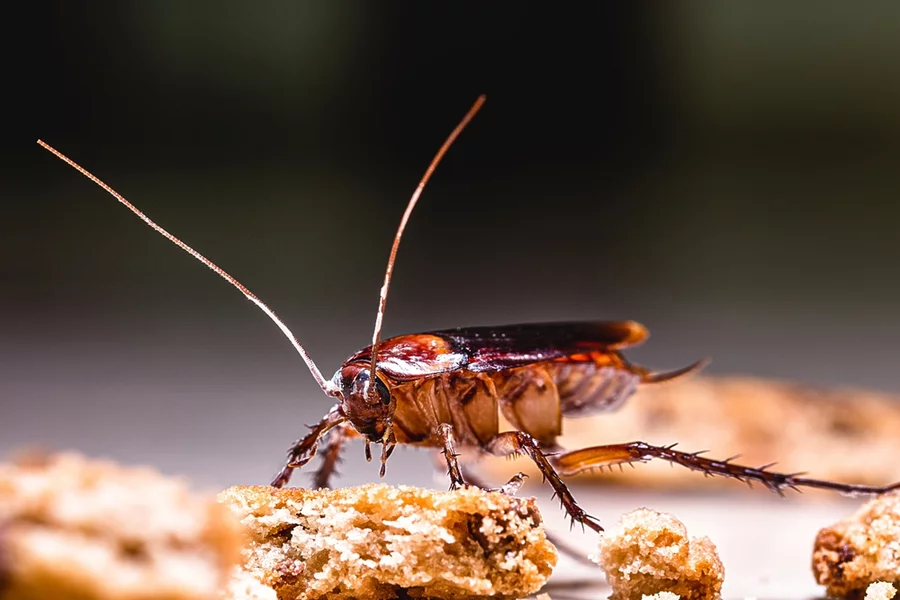
TL;DR: Do cockroaches bite? Yes, but bites are rare. This blog explains when bites can happen, what they may look like, why germs and allergens are the bigger concern, and how to reduce cockroach risks at home.
Main points:
- Cockroaches may bite humans when infestations are large, food is scarce, or food residue, sweat, or moisture is on the skin.
- Cockroach bites may look like small red bumps with mild swelling, itching, tenderness, or irritation.
- Roaches can spread germs through droppings, saliva, shed skins, body parts, and contact with food or surfaces.
- Warning signs include droppings, egg cases, musty odors, shed skins, nighttime activity, and roaches near appliances.
- To stay safe, remove food and water sources, seal cracks, reduce clutter, and call pest control if activity continues.
Cockroaches are more than an unpleasant household pest. While bites are rare, these insects can contaminate food, surfaces, and storage areas as they move through kitchens, drains, and trash. Understanding the real risks helps you respond calmly, keep your home cleaner, and know when an infestation needs professional attention.
1. Do Cockroaches Bite?
Yes, cockroaches can bite, but it does not happen often, and bites are not the main problem most homeowners need to worry about.
Cockroaches are scavengers. They would much rather feed on crumbs, grease, food scraps, pet food, cardboard, or organic waste than bite a person. Most of the time, they are looking for easy food and water sources, not human skin.
That said, bites can happen when an infestation is large and roaches begin moving into bedrooms, bathrooms, or other living areas. People often ask, do cockroaches bite humans while they sleep? It is possible, especially if there is food residue, sweat, or moisture on the skin. Bites may happen around the fingers, hands, feet, or mouth.
This does not mean cockroaches are hunting people. It usually means roaches are searching anywhere they can for food.
2. Why Would a Cockroach Bite?
To understand why cockroaches bite, it helps to look at how they survive. Cockroaches are opportunistic feeders, which means they eat almost anything available. In most homes, that means crumbs under appliances, grease near the stove, pet food, trash, or residue on counters.
A cockroach may bite if:
- Food is scarce.
- The infestation is large.
- Skin has food residue, sweat, or moisture on it.
- Someone is sleeping and still.
- Roaches have reached beds, sofas, or other resting areas.
- Easy food and water sources are attracting them indoors.
In other words, a bite is usually not aggressive. It is more like exploratory feeding.
3. What Do Cockroach Bites Look Like?
A common question is, what do cockroach bites look like? The tricky part is that they can look like many other insect bites. They may appear as small red bumps, mild swelling, or irritated patches of skin.
Possible signs include:
- Small red or raised bumps
- Mild swelling
- Itching or tenderness
- Slight irritation around the bite
- Scratched or broken skin if the area has been rubbed
- Marks on the hands, feet, fingers, or face
Cockroach bites are usually minor, but they should still be cleaned. Roaches travel through trash, drains, dirty floors, and other unsanitary places, so broken skin can become irritated or infected if it is not cared for.
It is also worth being careful before blaming cockroaches for every bite. Bed bugs, fleas, mosquitoes, and mites are more common causes of household bites. If you are seeing bite marks along with droppings, egg cases, a musty smell, or live roaches at night, cockroaches may be part of the problem.
4. Do Cockroach Bites Itch or Hurt?
Yes, cockroach bites can itch. Some people notice mild itching, redness, or irritation. Others may not feel much at all. The reaction depends on your skin, whether you scratched the area, and how sensitive you are to insect bites.
And do cockroach bites hurt? Usually, not much. You may feel slight tenderness or a small sting, but severe pain is not typical. If the area becomes very swollen, warm, painful, or starts to drain pus, that could point to infection or another skin issue.
For a suspected cockroach bite:
- Wash the area with soap and water.
- Avoid scratching.
- Apply a cold compress if there is swelling.
- Keep the skin clean and dry.
- Use an over-the-counter anti-itch cream if needed.
- Contact a healthcare provider if symptoms get worse.
People with allergies, asthma, sensitive skin, or weakened immune systems should be more cautious. Even when bites are mild, cockroach exposure can still trigger other health concerns.
5. The Bigger Issue: Germs and Allergens
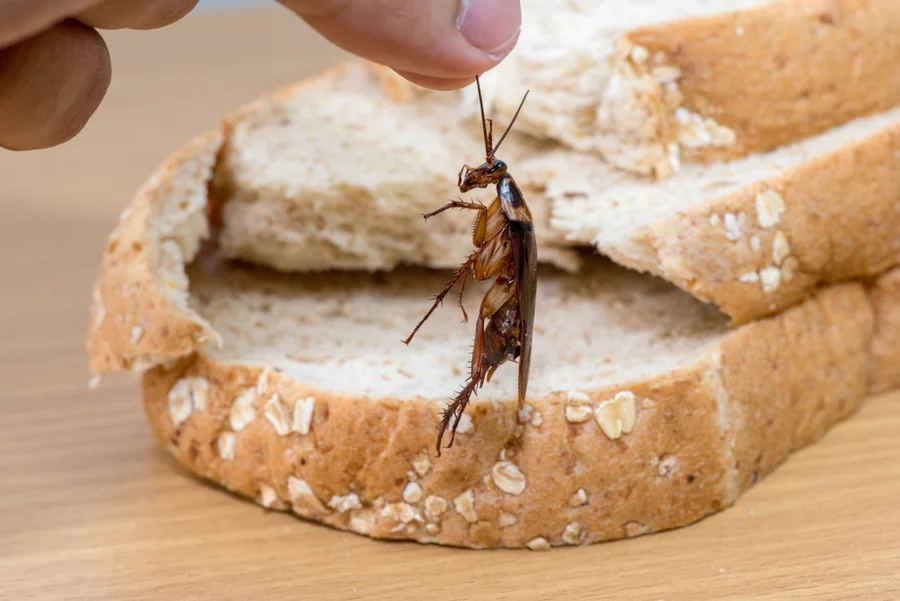
Cockroach bites get attention, but germs are the bigger concern. Roaches crawl through drains, garbage, decaying food, dirty floors, and hidden cracks before moving across your counters, dishes, food packaging, and pantry shelves.
They can contaminate surfaces through:
- Droppings
- Saliva
- Shed skins
- Body parts
- Direct contact with food, dishes, and prep areas
A cockroach does not need to bite you to create a health risk. If it walks across a cutting board, open food container, baby bottle nipple, or clean plate, it may leave behind bacteria or allergens. Their droppings and shed skins can also become part of household dust, which may irritate allergies or asthma.
Kitchens and bathrooms are especially attractive because they offer food, moisture, and hiding places. Pet bowls, leaking pipes, crumbs under appliances, and grease behind the stove can all help cockroaches settle in.
6. Signs Cockroaches Are More Than a One-Time Sighting
Cockroaches are mostly active at night, so spotting one during the day can mean there are more hiding nearby. Even one roach indoors is worth taking seriously, especially if you see it near food, water, or appliances.
Look for:
- Small dark droppings that look like pepper or coffee grounds
- Oval egg cases in cabinets, corners, or cracks
- Shed skins
- A musty or oily smell
- Smears along walls, floors, or baseboards
- Live roaches at night
- Activity near sinks, dishwashers, refrigerators, or trash cans
Common hiding spots include cabinet hinges, appliance motors, wall gaps, floor drains, cardboard boxes, cluttered storage areas, and spaces around plumbing.
7. How to Stay Safe at Home
The best way to reduce risk is to take away what cockroaches need: food, water, shelter, and access. A clean home can still get roaches, but good habits make it harder for them to stay and spread.
Start with these steps:
- Store food in sealed containers.
- Wipe counters after meals.
- Sweep or vacuum crumbs often.
- Clean grease from stovetops, backsplashes, and range hoods.
- Avoid leaving dirty dishes in the sink overnight.
- Take trash out regularly.
- Use trash cans with tight-fitting lids.
- Rinse recyclables before storing them.
- Pick up pet food bowls at night.
- Fix leaking faucets, pipes, and appliance connections.
- Reduce clutter, especially cardboard and paper.
- Seal cracks around baseboards, cabinets, doors, and pipes.
Cockroaches need water, so leaks, condensation, and damp areas can keep them around even when food is limited.
8. When to Call Pest Control
Sprays may kill the roaches you see, but they do not always reach nests. Some sprays can also push roaches deeper into walls or into other rooms.
It may be time to call a professional if:
- You see roaches during the day.
- Droppings appear in more than one room.
- Roaches return after cleaning or baiting.
- You live in an apartment or shared building.
- Someone in the home has asthma or allergies.
- You see activity near bedrooms or sleeping areas.
- You find egg cases.
- Roaches keep appearing around appliances.
A pest control professional can identify the species, find nesting areas, and use targeted treatments. That usually works better than repeated surface spraying.
The Bottom Line on Bites, Germs, and Roaches
So, do cockroaches bite humans? Yes, but it is rare. The bigger issue is what cockroaches carry with them. As they move through trash, drains, and dirty areas, they can spread germs and allergens across your home.
The safest approach is to clean consistently, remove food and water sources, seal entry points, and act early. If the problem keeps coming back, professional treatment can help stop it before it spreads further. Get in touch with Cardinal Environmental Solutions for professional pest control.