
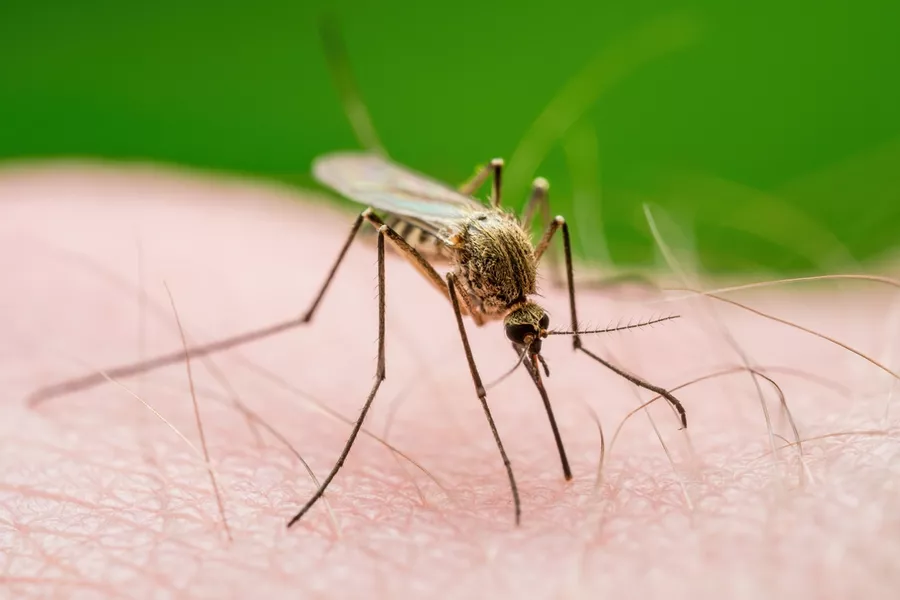
TL;DR: Why do mosquito bites itch? This blog explains the science behind that frustrating itch and shares practical ways to reduce discomfort and prevent future bites. You’ll learn how your immune system reacts to mosquito saliva, why some bites itch more than others, and how to keep mosquitoes away from your home.
- Learn why do mosquito bites itch and how a mosquito’s saliva triggers your body’s immune response.
- Discover why some bites itch longer, feel worse at night, or cause more swelling than others.
- Find out why only the female mosquito bites people.
- Get tips for preventing mosquito bites with insect repellent and by eliminating standing water.
- See how professional mosquito control can help reduce mosquito populations around your property.
Mosquitoes are more than a backyard nuisance. Their bites can leave you scratching for hours or even days, making outdoor activities much less enjoyable. If you’ve ever wondered why do mosquito bites itch, you’re not alone. The answer involves your immune system, the mosquito itself, and how your body responds after the bite.
Understanding what causes the irritation can help you reduce discomfort and take steps to avoid future bites. Here are nine facts to explain why do mosquito bites itch so much and what you can do about it.
1. Only the Female Mosquito Bites
One of the most surprising facts about mosquitoes is that only the female mosquito bites people. Male mosquitoes feed on nectar and plant sugars, while females need the protein found in blood to develop their eggs.
When a female mosquito lands on your skin, she pierces it with specialized mouthparts and injects saliva before drawing blood. That saliva contains proteins that prevent your blood from clotting, making it easier for her to feed. Those proteins are what trigger your body’s response.
2. The Itching Comes from Your Immune System
If you’ve ever asked why it itches when a mosquito bites, the answer lies in your immune system.
Your body recognizes the mosquito’s saliva as a foreign substance. In response, it releases histamine, a chemical involved in your immune defenses. Histamine causes blood vessels to expand and allows immune cells to reach the affected area.
This allergic reaction creates the familiar symptoms of mosquito bites, including:
- Redness
- Raised bumps
- Swelling and itching
- Warmth around the bite
The itch is actually a sign that your immune system is doing its job.
3. Mosquito Bites Can Itch for Days
Many people ask, why do mosquito bites itch days later when the mosquito is long gone?
The answer is that your immune response doesn’t stop immediately after the bite. Your body continues reacting to the mosquito proteins until they are broken down and removed. During that time, inflammation remains active.
For most people, itching lasts:
- A few hours for mild bites
- Two to three days for average bites
- Up to a week for larger reactions
Repeated scratching can also prolong healing and increase irritation.
4. Some Mosquito Bites Itch More Than Others
Have you noticed that one bite barely bothers you while another seems impossible to ignore? You may wonder, why do some mosquito bites itch more than others.
Several factors influence the intensity of your reaction to mosquito bites, including:
- Your individual immune response
- Previous exposure to mosquito saliva
- The mosquito species
- Bite location
- Amount of saliva injected
People with stronger allergic sensitivities often experience larger welts and more intense itching. Children may also react more strongly because their immune systems have had less exposure to mosquito saliva over time.
5. Nighttime Can Make the Itching Feel Worse
Many homeowners ask, why do mosquito bites itch more at night.
The bites themselves usually aren’t becoming more severe. Instead, several nighttime factors make itching feel more noticeable:
- Fewer distractions make you focus on the sensation.
- Warm blankets increase skin temperature.
- Your body’s natural inflammatory processes shift while you sleep.
- Dry indoor air may irritate the skin further.
Scratching during sleep can also make the irritation last longer the next day.
6. Scratching Actually Makes Things Worse
Although scratching provides temporary relief, it creates additional inflammation in the skin.
Repeated scratching can:
- Damage the skin surface
- Increase redness
- Extend healing time
- Raise the risk of infection
Instead of scratching, try:
- Applying a cold compress
- Using an over-the-counter anti-itch cream
- Taking an oral antihistamine if recommended by your healthcare provider
- Keeping the bite clean
Reducing irritation early helps your skin recover faster.
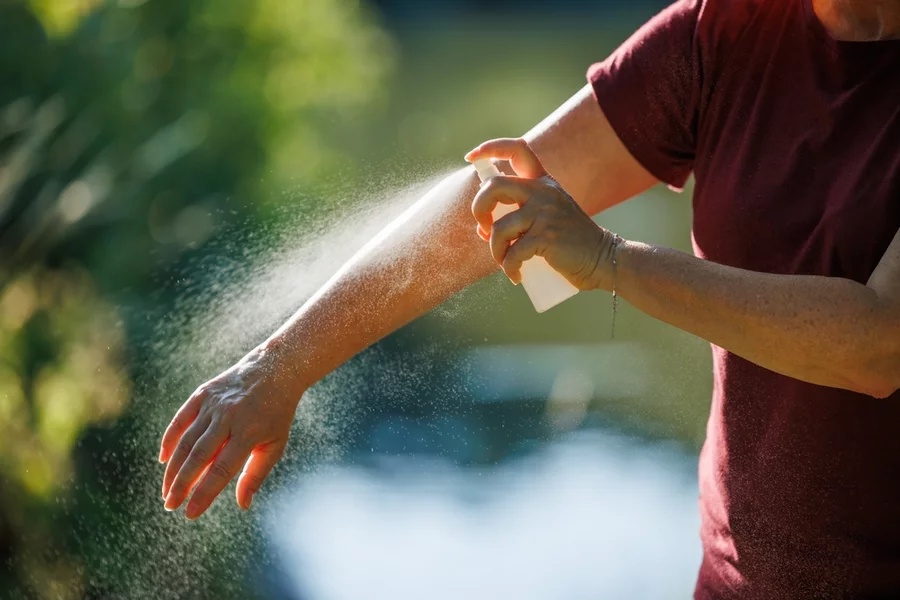
7. Preventing Mosquito Bites Is Easier Than Treating Them
The best solution isn’t treating itchy bug bites. It’s preventing them from happening in the first place.
A quality insect repellent is one of the most effective ways to reduce mosquito bites during outdoor activities. Products containing EPA-registered active ingredients provide reliable protection when used according to label directions.
Additional prevention tips include:
- Wear long sleeves and pants during peak mosquito hours.
- Install or repair window and door screens.
- Avoid heavily wooded or marshy areas when mosquito activity is high.
- Schedule professional mosquito control treatments around your property.
These steps significantly reduce your chances of getting bitten.
8. Standing Water Attracts Mosquitoes
Mosquito control starts before mosquitoes begin biting.
Female mosquitoes lay their eggs in standing water, where larvae develop before becoming adults. Even surprisingly small amounts of water can support mosquito breeding.
Common breeding locations include:
- Birdbaths
- Flowerpot saucers
- Children’s toys
- Clogged gutters
- Buckets
- Tarps
- Old tires
Regularly emptying or removing standing water around your property can dramatically reduce local mosquito populations.
Professional mosquito control services can also identify hidden breeding sites that homeowners may overlook.
9. Professional Mosquito Control Helps Break the Cycle
Understanding why mosquito bites itch is helpful, but reducing mosquito populations provides lasting relief.
Professional mosquito management focuses more than spraying adult mosquitoes. Effective programs may include:
- Property inspections
- Habitat reduction recommendations
- Targeted mosquito treatments
- Seasonal maintenance
- Monitoring mosquito activity
By addressing mosquitoes where they breed and rest, homeowners can enjoy outdoor spaces with fewer bites throughout mosquito season.
Protect Your Yard from Mosquitoes
Mosquito bites may seem like a minor annoyance, but constant swelling and itching can quickly make time outdoors uncomfortable. Knowing why do mosquito bites itch so much, why do mosquito bites itch days later, and why do some mosquito bites itch more than others helps explain why those small bites can have such a big impact.
The best defense is prevention. Using insect repellent, eliminating standing water, and investing in professional mosquito control can greatly reduce the number of mosquitoes around your home. With fewer mosquitoes, you’ll spend less time dealing with itchy bug bites and more time enjoying your yard.
FAQ
Why do mosquito bites itch after the mosquito is gone?
Your immune system continues reacting to proteins left behind in the mosquito’s saliva. This ongoing allergic reaction causes inflammation, redness, and itching until your body finishes breaking down those proteins.
Why do mosquito bites itch more at night?
It’s often because you’re more aware of the sensation while resting. Increased skin warmth and reduced distractions can also make itching seem more intense.
Why do some mosquito bites itch more than others?
Several factors affect your reaction to mosquito bites, including your immune system, the amount of mosquito saliva injected, and the location of the bite. Some people naturally experience stronger itching and larger welts than others.
Schedule a Free Consultation with Cardinal Environmental Solutions Today!