
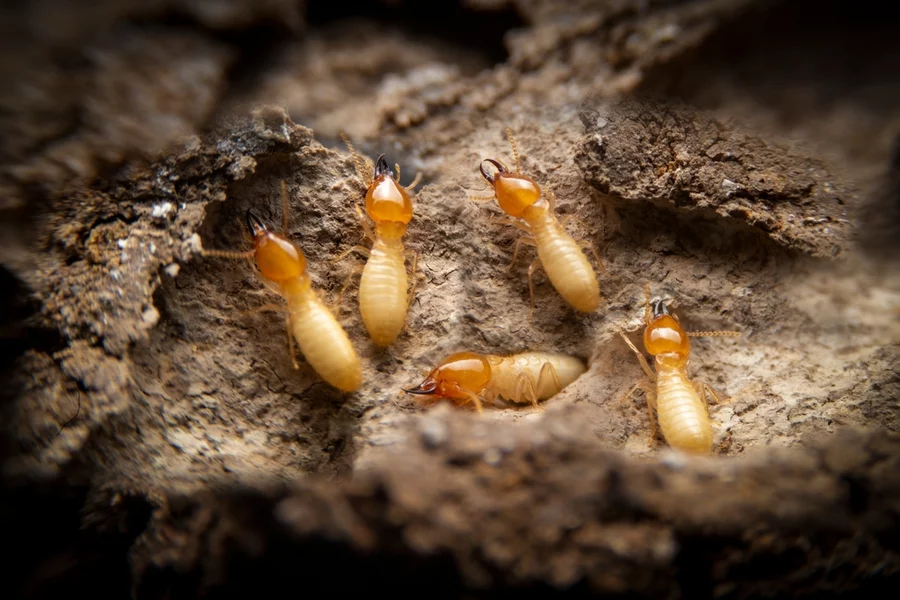
TL;DR: What are termites, and why should homeowners be concerned about them? These social insects feed on cellulose and can quietly weaken wooden structures long before an infestation becomes obvious.
- Subterranean, drywood, and damp wood termites have different nesting habits, moisture needs, and preferred food sources.
- Workers feed the colony, soldiers provide protection, and winged reproductive termites establish new nests.
- Termites may damage framing, flooring, support beams, drywall backing, trim, and wooden furniture from the inside out.
- Moisture, poor drainage, wood-to-soil contact, firewood, mulch, and tree stumps can create favorable conditions around a home.
- Reducing moisture and cellulose sources can lower your risk, while routine professional inspections can identify hidden activity and help prevent costly structural damage.
Termites are small insects, but the damage they cause can become a serious and expensive problem for homeowners. They often remain hidden underground or inside wooden structures, allowing an infestation to grow unnoticed for months or even years.
So, what are termites? These social insects live in organized colonies and feed on cellulose, a natural material found in wood, paper, drywall backing, and other plant-based products. While termites help break down dead wood in nature, they can threaten a home when they begin feeding on its structural materials.
Understanding the food these insects are attracted to can help homeowners reduce their risk. Moisture, wood-to-soil contact, poor drainage, firewood, tree stumps, and damp crawl spaces can all create favorable conditions. Knowing how termites behave and why they enter homes is an important first step toward preventing costly damage.
What Are Termites?
What makes termites different from other household pests? Termites are small insects that live in colonies and feed primarily on cellulose. This natural material is found in wood, leaves, paper, cardboard, and other plant-based products. In forests, termites serve an important purpose by breaking down dead trees and returning nutrients to the soil.
A termite colony may contain workers, soldiers, and reproductive termites, with each group performing a specific role. Workers gather food and maintain the nest, while soldiers defend the colony. Reproductive termites, also known as swarmers, leave mature colonies to mate and establish new nests.
Unlike ants, termites have straight antennae, broad waists, and two pairs of evenly sized wings. Most termites stay hidden underground or within wood, which makes active infestations difficult to detect. Although termites do not bite people or spread disease, their feeding habits can gradually weaken a home’s structure.
Common Types of Termites
The most common types of termites are subterranean, drywood, and damp wood termites. Subterranean termites live in soil and build mud tubes to reach wood above ground. They are responsible for many residential infestations because their colonies can contain large numbers of insects.
Drywood termites live directly inside dry wood and do not require contact with soil. They may infest furniture, framing, doors, or other wooden materials. Dampwood termites prefer moist, decaying wood and are more likely to appear where leaks, poor drainage, or excessive humidity are present.
Homeowners often have questions such as, “What color are termites?” Their appearance varies by species and role within the colony, ranging from white or cream to light or dark brown.
Two other common questions are, “What are termite swarmers?” and “What are flying termites?” Both terms refer to winged reproductive termites that leave established colonies to mate and create new ones. Finding swarmers or discarded wings may indicate a nearby colony.
How Termites Can Damage Your Home
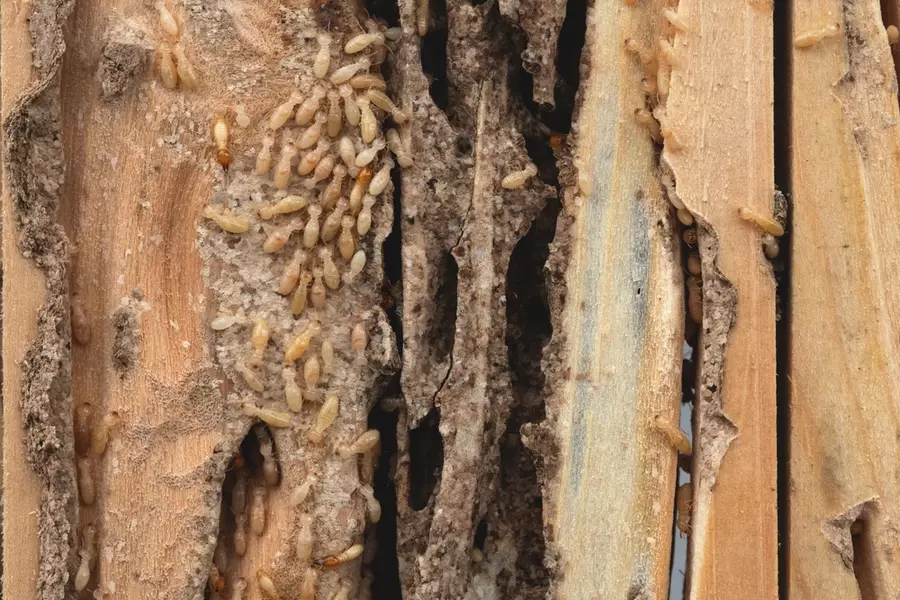
Termites damage homes by feeding on cellulose, the material found in wood, paper, drywall backing, and other plant-based products. Because they often eat wood from the inside out, serious problems can develop before visible warning signs appear. Over time, termite activity may weaken wall framing, floor joists, support beams, subflooring, trim, and wooden furniture.
Understanding what termites are attracted to can help explain how infestations begin. Termites are drawn to accessible sources of cellulose, especially when moisture is nearby. Leaking pipes, poor drainage, damp crawl spaces, clogged gutters, and wood-to-soil contact can create favorable conditions around a home.
As termites continue feeding, wood may become hollow, blistered, cracked, or structurally unstable. Doors and windows may stick, floors can sag, and repairs may become increasingly expensive. Routine inspections and moisture control can help homeowners find hidden activity earlier and reduce the risk of widespread structural damage throughout their property over time.
Conditions That Can Attract Termites
Colonies are more likely to settle around properties that provide food, moisture, and protected access. Leaking pipes, clogged gutters, poor drainage, and damp crawl spaces can keep soil and wood moist. Mulch piled against the foundation, firewood stored beside the house, and tree stumps left in the yard can also supply cellulose for a growing colony.
Wood-to-soil contact creates another common risk because it gives subterranean colonies a direct path into decks, siding, doorframes, or structural supports. Foundation cracks and gaps around plumbing or utility lines may provide additional entry points.
Homeowners may also wonder: what are termite mounds made of? Depending on the species, mounds may contain soil, clay, saliva, and waste materials packed together to protect the colony. However, many termites that infest American homes remain underground rather than building visible mounds. Reducing moisture, removing excess wood debris, and maintaining clear foundations can make your property less inviting.
How to Protect Your Home
Protecting your home from termites begins with reducing the conditions that help colonies thrive. Repair leaking pipes, improve drainage, clean clogged gutters, and keep crawl spaces dry. Store firewood away from the house, remove dead stumps, and prevent mulch or wooden materials from resting directly against the foundation.
Routine inspections are also important because termite activity can remain hidden until significant damage has occurred. Do not rely on the color of termites alone to identify an infestation. Depending on their species and role, they may appear white, cream, tan, brown, or nearly black. Mud tubes, discarded wings, damaged wood, and swarming insects may provide more useful clues.
Cardinal Environmental Solutions can inspect properties, identify active termites, and recommend treatment and prevention options for your home. Professional support can help eliminate activity and reduce the risk of future damage. Protect your investment before the problem spreads. Schedule a Free Consultation Today!