
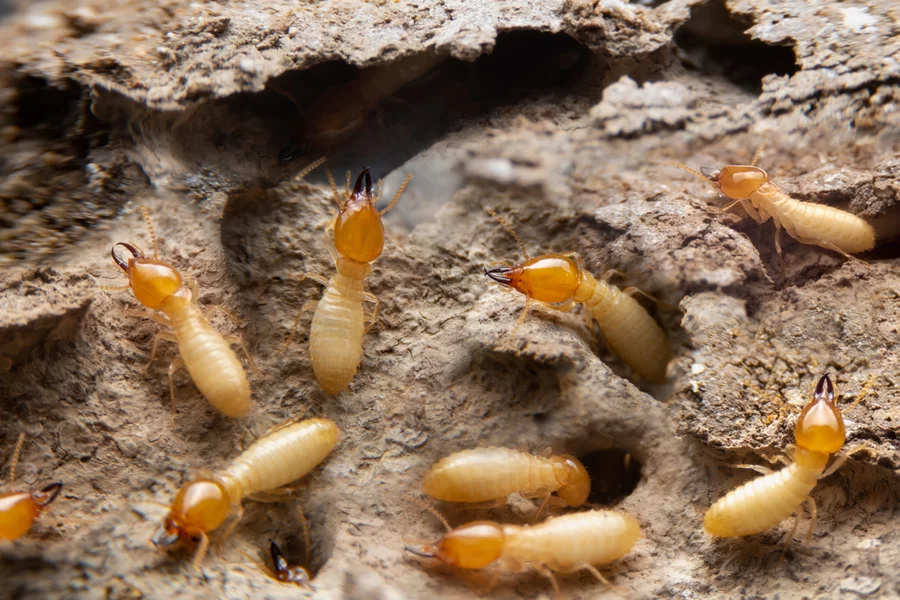
TL;DR: Wondering how to get rid of termites? This guide explains how to identify the warning signs of a termite infestation, explores effective treatment options, and shares practical prevention strategies to help protect your home from costly structural damage.
- Learn the most common signs of termite activity, including mud tubes, discarded wings, and damaged wood.
- Compare DIY remedies with professional termite treatments to understand which solutions offer lasting results.
- Discover preventative measures that reduce the risk of future infestations, from moisture control to routine inspections.
- Find out when it’s time to call a professional and why early intervention can save you time, money, and stress.
- See how Cardinal Environmental Solutions helps homeowners across North Carolina and South Carolina eliminate termites and prevent them from returning.
Discovering termites in your home can be alarming, and for good reason. These destructive pests work quietly behind the scenes, feeding on wood and other cellulose-based materials long before visible damage appears. By the time homeowners notice the warning signs, termites may have already compromised structural components, resulting in costly repairs and unnecessary stress.
If you’re wondering how to get rid of termites in your house, acting quickly is one of the most important steps you can take. Delaying treatment allows termite colonies to continue growing and spreading, increasing the extent of the damage over time. Whether you’ve spotted mud tubes, discarded wings, or hollow-sounding wood, addressing the problem early can help minimize repair costs and protect your home’s value.
Many homeowners also want to know how to get rid of termites permanently. While there are DIY products available, long-term termite control typically requires a comprehensive treatment plan that eliminates the existing colony while preventing future infestations.
In this guide, we’ll explain how to identify termites, explore the most effective treatment options, and share practical prevention tips to help keep your home termite-free for years to come.
How to Identify a Termite Infestation
Termites are often called “silent destroyers” because they can cause significant damage before homeowners realize there’s a problem. One of the most common signs is the presence of mud tubes along foundation walls or crawl spaces, which termites use to travel safely between their colony and food source. You may also notice hollow-sounding wood, bubbling paint, or small piles of discarded wings near windows and doors after a termite swarm.
Many homeowners search for how to get rid of flying termites after spotting winged insects indoors. These flying termites, known as swarmers, are reproductive termites looking to establish new colonies and often signal that an existing infestation is nearby. If you’ve reached this stage, it’s natural to wonder how hard is it to get rid of termites. The answer depends on the size and location of the colony, but identifying the warning signs early gives you the best chance of stopping damage before it becomes more extensive.
How to Get Rid of Termites
When termites invade your home, choosing the right treatment method is essential for stopping the infestation and preventing additional damage. Many homeowners begin by researching how to get rid of termites naturally, exploring options such as orange oil, beneficial nematodes, or borate wood treatments. While these methods may help deter or eliminate small, localized infestations, they often aren’t enough to remove an established colony hidden behind walls or beneath your home’s foundation.
If you’ve recently noticed a swarm, you may also be searching for how to get rid of flying termites. Although eliminating swarmers can reduce the immediate nuisance, it’s important to remember that they’re only a symptom of a larger colony nearby. The most effective long-term solution typically involves professional termite treatments, such as liquid barrier applications or baiting systems, that target the colony at its source. Prompt action helps protect your home, minimize structural damage, and reduce the likelihood of future infestations.
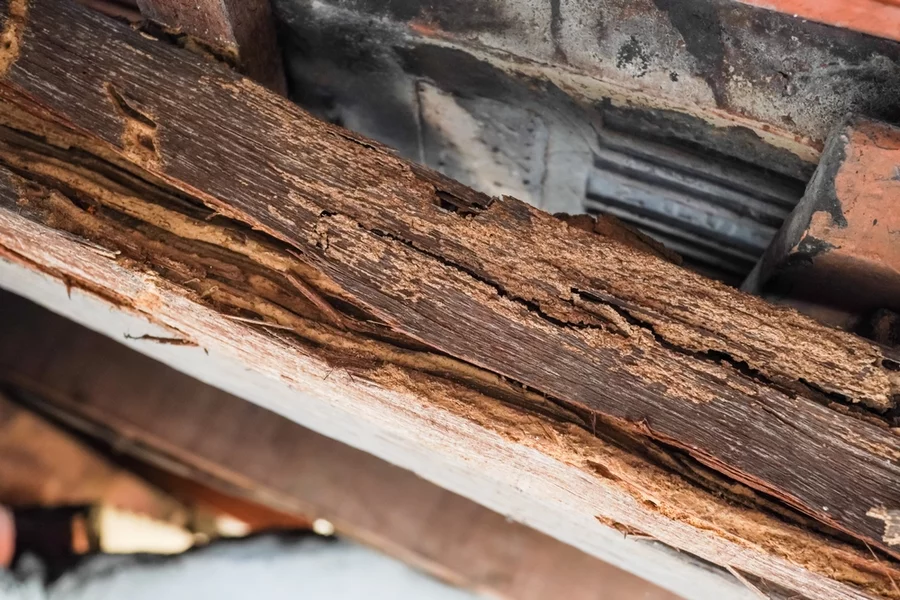
How to Prevent Future Termite Infestations
The best way to protect your home from termites is to make it less inviting to them in the first place. Moisture is one of the biggest factors that attracts termites, so repairing leaks, improving drainage, and keeping gutters clear can significantly reduce your risk. It’s also important to eliminate wood-to-soil contact, store firewood away from your home’s foundation, and seal cracks or gaps where termites could gain entry.
If you’ve already dealt with an infestation, you may be wondering how to get rid of termites permanently. While no treatment can guarantee termites will never return, combining professional termite protection with routine inspections and preventative maintenance offers the best long-term defense. These proactive measures can help detect new activity before it becomes a serious problem.
Knowing how to get rid of termites in your house is only part of the equation. Consistent prevention and regular inspections help safeguard your home’s structure, minimize costly repairs, and provide peace of mind that your property remains protected year after year.
When to Call a Professional
While some homeowners explore how to get rid of termites naturally, DIY solutions are rarely enough to eliminate a well-established termite colony. Surface treatments may reduce visible activity, but termites often remain hidden deep within walls, crawl spaces, or beneath the foundation, where they continue causing damage unnoticed. If you continue seeing mud tubes, discarded wings, or signs of wood damage after attempting treatment, it’s time to seek professional help.
Many people also wonder how hard is it to get rid of termites. The difficulty depends on the size of the infestation, the termite species, and how long the colony has been active. Licensed pest control professionals have the specialized equipment, proven treatment methods, and experience needed to locate the entire colony and recommend the most effective solution for your home.
Calling a professional early can help prevent more extensive structural damage, reduce long-term repair costs, and provide peace of mind that your termite problem has been addressed thoroughly and effectively.
Protect Your Home from Termites Before They Cause More Damage
Termites can cause extensive damage long before they’re discovered, making early detection and prompt treatment essential for protecting your home and avoiding costly repairs. Whether you’re dealing with the first signs of an infestation or looking for long-term prevention, taking the right approach can make all the difference. From recognizing common warning signs to choosing the most effective treatment and preventative measures, staying proactive is the best way to safeguard your investment.
If you suspect termite activity, don’t wait for the damage to get worse. The experienced team at Cardinal Environmental Solutions provides professional termite inspections and proven treatment solutions for homeowners throughout North Carolina and South Carolina. With customized pest control services designed to eliminate existing infestations and help prevent future ones, you can trust their team to protect your home with confidence.