
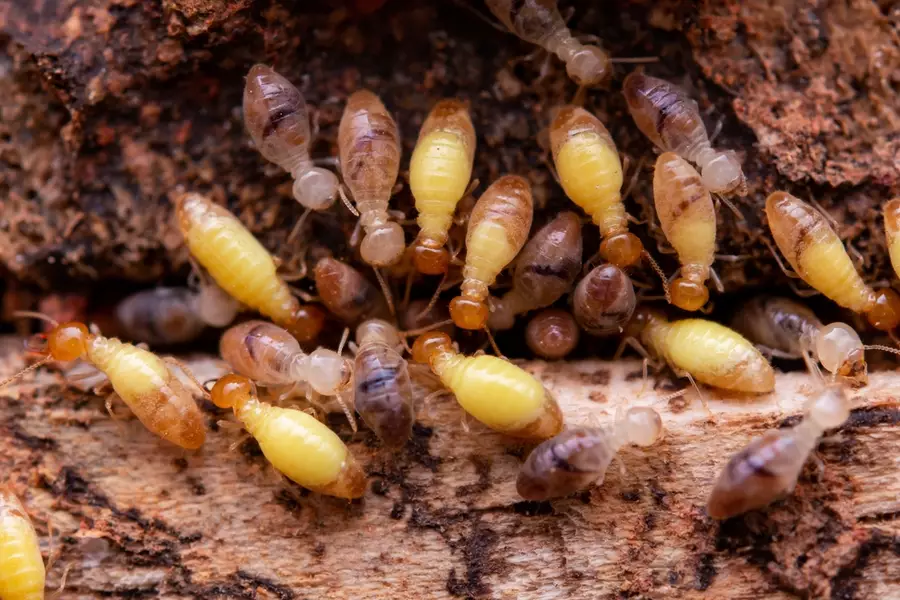
TL;DR: Recognizing the signs of termites early can help homeowners limit structural damage and avoid more expensive repairs. This guide explains what to look for indoors and outside, how termite damage differs from other household problems, and when to call a professional.
- Common warning signs include mud tubes, discarded wings, hollow-sounding wood, frass, bubbling paint, and buckled flooring.
- Outdoor activity may appear around foundations, woodpiles, fences, tree stumps, sheds, and areas where wood touches soil.
- Termite-damaged wood often contains layered or maze-like galleries, while wood rot is typically darker, softer, and associated with excess moisture.
- If you suspect an infestation, document the evidence and avoid disturbing mud tubes or damaged wood.
- A professional inspection can confirm activity, identify the termite species, assess damage, and recommend appropriate treatment and prevention steps.
Termites can cause serious damage long before homeowners realize they are present. Because these pests often remain hidden inside walls, beneath flooring, or underground, an infestation can quietly grow while weakening important wooden structures throughout your home.
Recognizing the early warning signs of termites can help you take action before the problem becomes more widespread and expensive to address. Mud tubes, discarded wings, hollow-sounding wood, and small piles of droppings may all indicate termite activity.
However, some signs of termite damage can resemble moisture problems, wood rot, or normal wear. Knowing what to look for—and when to contact a termite control professional—can help you protect your home and catch a potential infestation as early as possible.
Why Early Termite Detection Matters
Termites are often called silent destroyers because they can feed on wood for months or even years without being noticed. By the time visible damage appears, a colony may have already weakened floor joists, wall framing, trim, or other structural materials. Early detection gives homeowners the opportunity to address activity before repairs become more extensive and expensive.
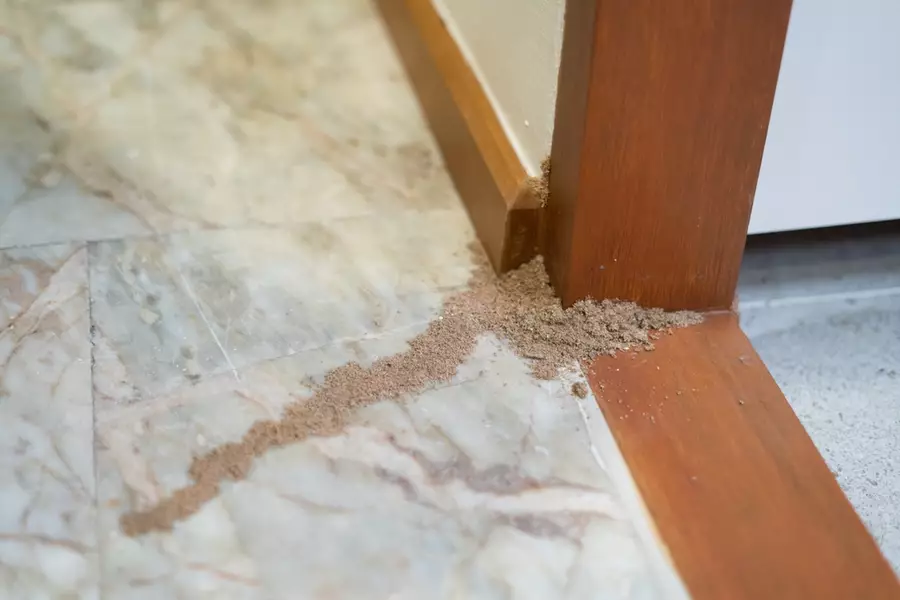
The early warning signs of termites are sometimes subtle. Mud tubes along the foundation, discarded wings near windows, hollow-sounding wood, bubbling paint, and small piles of droppings can all point to trouble. You may also notice doors or windows becoming difficult to open as damaged wood begins to shift.
Recognizing the signs of a termite infestation does not always confirm an active colony, but it should prompt a closer inspection. A trained termite professional can identify the species, locate hidden activity, assess the damage, and recommend an appropriate treatment plan for your home.
Common Signs of Termites Inside Your Home
Some of the most common signs of termites in the home appear around wood, flooring, walls, and windows. Wood that sounds hollow when tapped may have been eaten from the inside, while blistered surfaces, peeling paint, or buckling floorboards can indicate hidden activity beneath the surface.
Other signs of termite damage include small holes in drywall, maze-like patterns in wood, and piles of tiny pellets known as frass. These droppings are commonly associated with drywood termites and may collect near baseboards, windowsills, or wooden furniture. Subterranean termites may leave mud tubes near foundation walls, crawl spaces, or plumbing entry points.
Homeowners may also discover discarded wings near doors and windows after a termite swarm. Doors or windows that suddenly stick can be another clue, as termite activity and moisture may cause wood to warp. Because these symptoms can resemble other household issues, a professional inspection is the safest next step.
Signs of Termites in Your Yard and Around Your Property
Termite activity is not always limited to the interior of your home. Some of the earliest signs of termites in yard areas appear near tree stumps, woodpiles, fences, sheds, mulch beds, and other places where wood meets soil. You may notice soft or hollow wood, narrow mud tubes, or insects gathering around damp areas.
During warmer months, winged termites may emerge from the ground in large groups. These swarmers are often mistaken for flying ants, but termites have straight antennae, evenly sized wings, and broad bodies. Discarded wings near exterior doors, windows, patios, or light fixtures can indicate that a colony is nearby.
Check wooden structures for cracking, blistering, or maze-like galleries beneath the surface. Mud tubes traveling up the foundation are especially important to address. Because outdoor activity can eventually spread into your house, contact a termite professional if you spot anything suspicious during a routine property inspection today.
Termite Damage vs. Other Household Problems
The signs of termites in the home can look similar to problems caused by moisture, wood rot, carpenter ants, or normal wear. Peeling paint, buckled floors, and soft wood may suggest termites, but they can also develop when leaks or humidity allow moisture to collect inside a structure.
A closer look can reveal important differences. Termite-damaged wood often contains layered or maze-like galleries and may be lined with soil or mud. Wood rot generally appears darker, softer, or crumbly and is usually connected to ongoing moisture. Carpenter ants do not eat wood; instead, they remove it to build smooth, clean nesting tunnels.
Because several household issues can produce similar symptoms, visual clues alone may not identify the cause. A professional inspection can determine whether the damage comes from termites, another pest, or excess moisture. Accurate identification helps homeowners choose the right solution, avoid unnecessary treatments, and prevent the problem from worsening.
What to Do if You Suspect a Termite Infestation
If you notice possible signs of a termite infestation, avoid disturbing the affected area. Breaking open mud tubes, spraying insects, or removing damaged wood may scatter the colony and make it harder to identify the source of the activity. Instead, document what you found with photos and note where each warning sign appeared.
Next, schedule an inspection with a qualified termite control professional. A thorough evaluation may include checking foundation walls, crawl spaces, attics, baseboards, window frames, and other areas where termites commonly travel or feed. The inspector can determine whether the colony is active, identify the type of termite, and evaluate the extent of any damage.
If termites are confirmed, follow the recommended treatment plan and address moisture problems or wood-to-soil contact that may encourage activity. After treatment, regular inspections and preventive measures can reduce the risk of another infestation and help protect your home from costly future damage and repairs.
Protect Your Home with Professional Termite Control
Recognizing the early warning signs of termite damage can help you respond before an infestation causes more extensive problems. Whether you notice mud tubes, discarded wings, damaged wood, or other suspicious changes, getting an expert opinion is the best way to determine what is happening.
Cardinal Environmental Solutions provides thorough termite inspections and effective treatment options designed to protect your home. Our experienced team can locate termite activity, assess the extent of the problem, and recommend a solution tailored to your property.
Don’t wait for hidden termite damage to become a costly repair. Schedule a Free Consultation Today!